Loading
Loading
Saudi ArabiaSmart parking infrastructureELVAMC
TMC delivers the civil, electrical, networking, ELV and field infrastructure required to install, connect, test and maintain modern parking systems across Saudi Arabia.
TMC Saudi
Who we work for
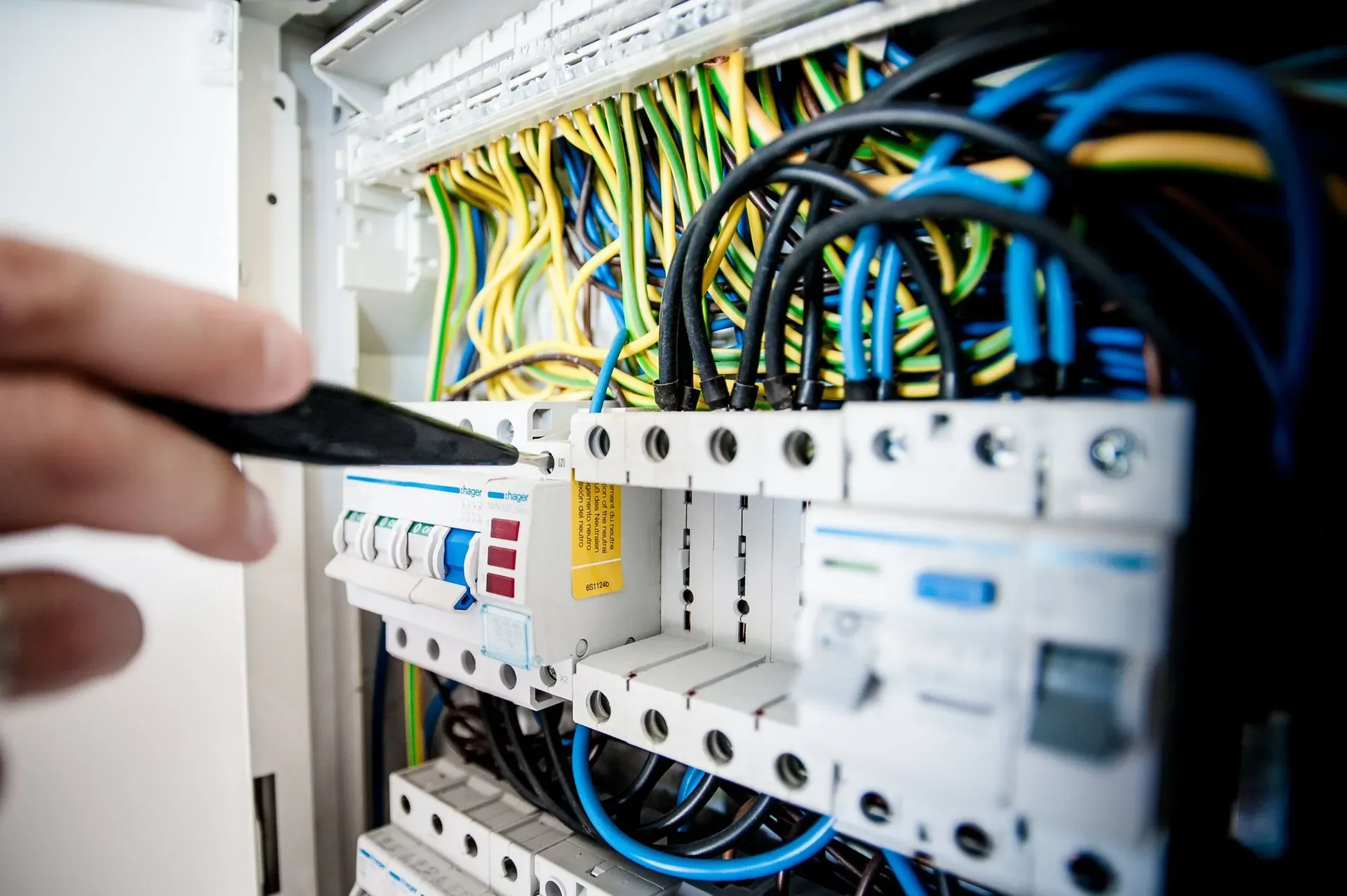
Smart parking is usually sold as software and equipment. It runs on ducts, concrete, distribution boards, fiber and terminations — and it fails when those are treated as someone else's problem.
TMC prepares that layer and stays accountable for it. We take a parking design and turn it into a site where equipment can be installed, powered, connected, tested and maintained. One coordinated infrastructure scope reduces the interface gaps between civil works, electrical systems, networks and parking technology, which is where programmes usually lose weeks.
How we work02Capabilities
A vendor neutral infrastructure scope, delivered as a specialist package or as a focused subcontract inside a larger programme.
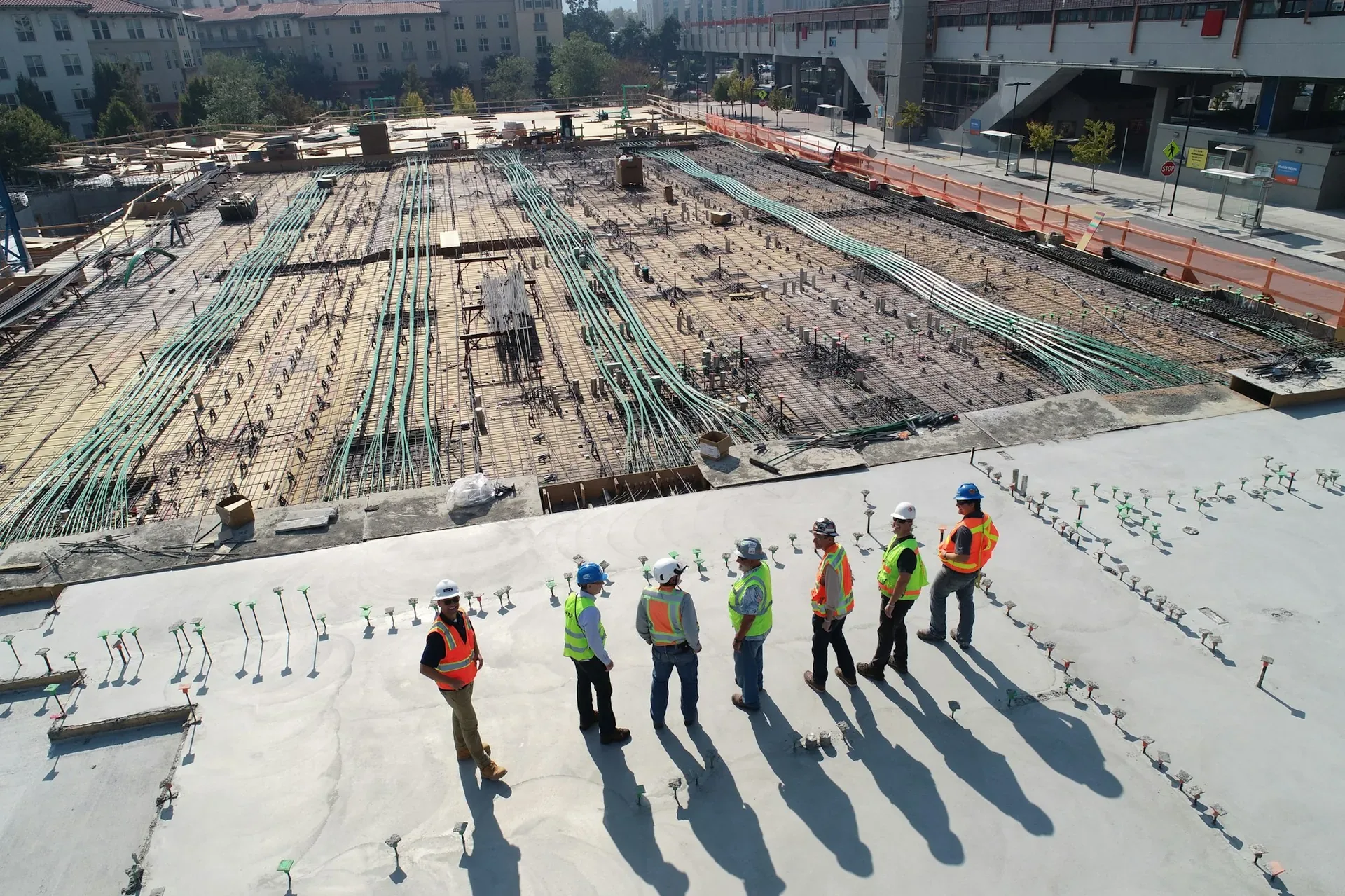
Every parking device stands on something. Trenches, ducts, handholes and concrete bases are set out against the equipment positions in the approved layout, so mounting holes line up and cable routes arrive where they are needed. Reinstatement and as-built records close the civil package.
Power is built as a maintainable tree rather than a set of tails pulled to whichever machine was installed first. Boards, isolation, containment and earthing are arranged so a kiosk fault can be isolated without closing a lane, and so every circuit can be traced from the drawing to the label on the gland.

Parking equipment, cameras and control room workstations share one network, so it is built once and documented properly. Links are terminated, tested and labelled at both ends. Racks are positioned where an engineer can actually work on them during an incident.
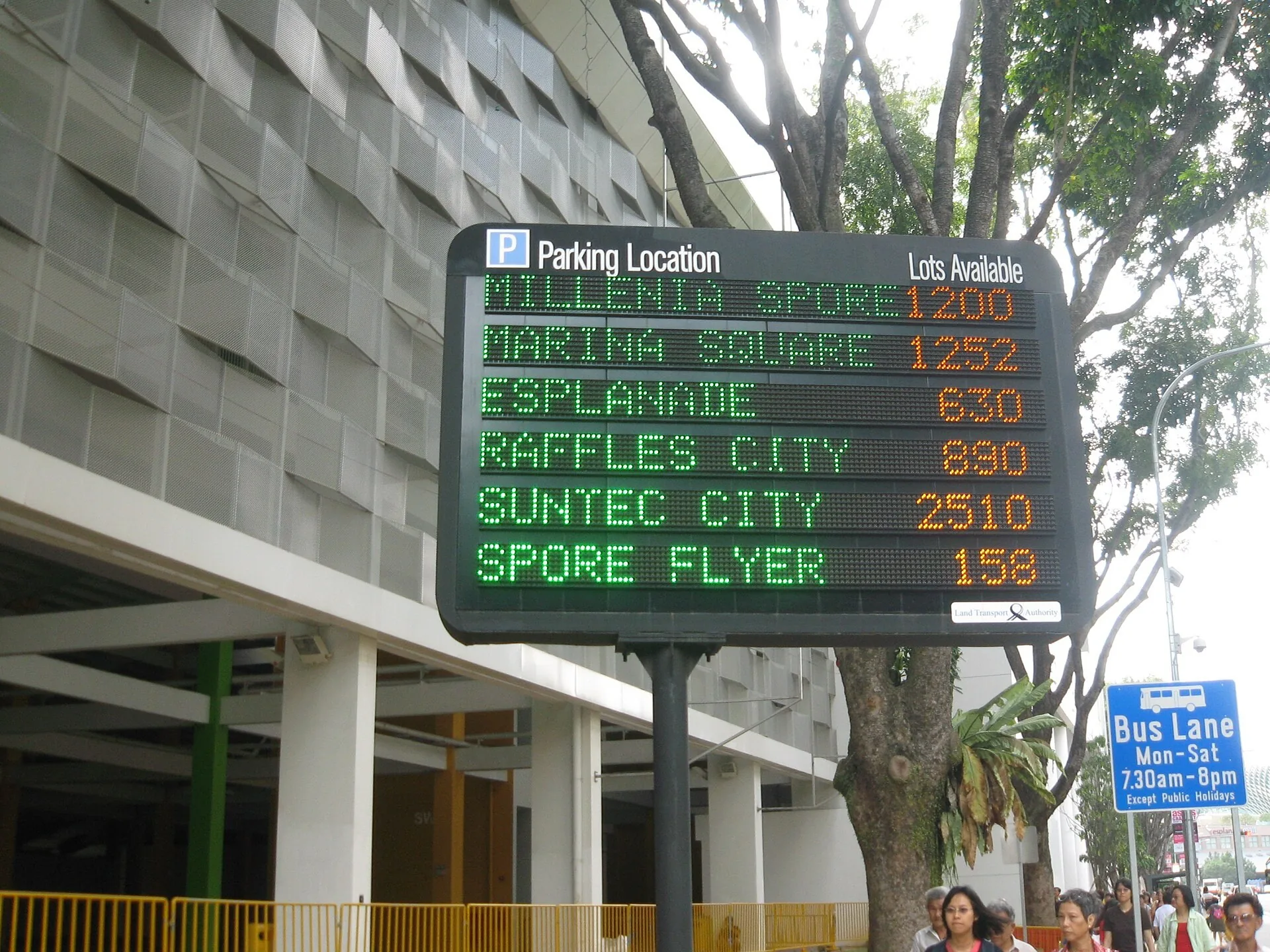
Drivers read a car park in seconds, and they judge it at the payment machine. Signs are mounted on structure that suits the location and the wind load; kiosks receive a base, a circuit, a data path, cooling and a UPS before anyone calls the installation complete.
Signage
Kiosks

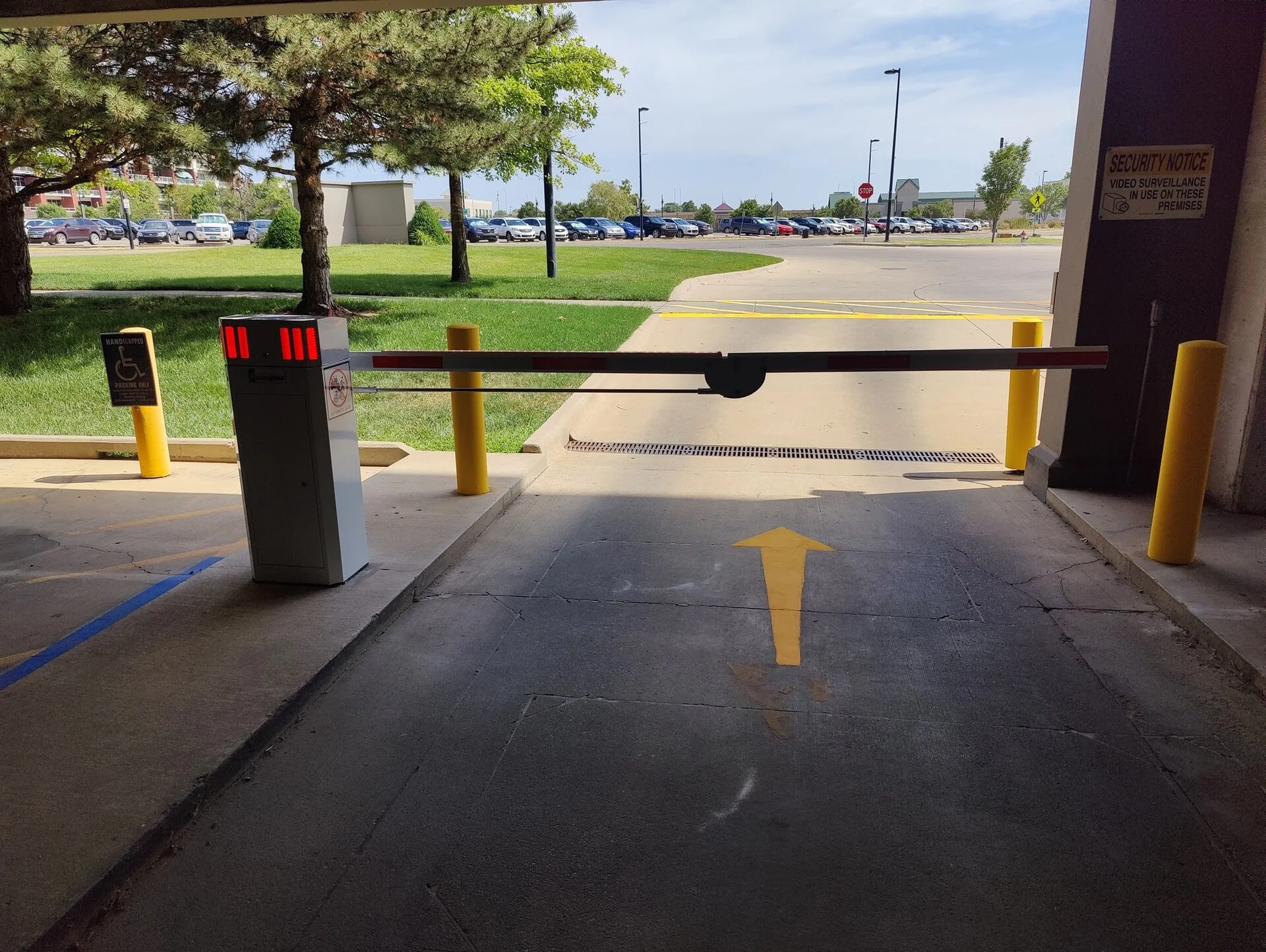
Security and parking equipment meet at the same lane, the same duct and often the same cabinet. Treating them as one scope removes the argument about who owns the interface when a loop reads incorrectly or a help point cannot reach the control room.
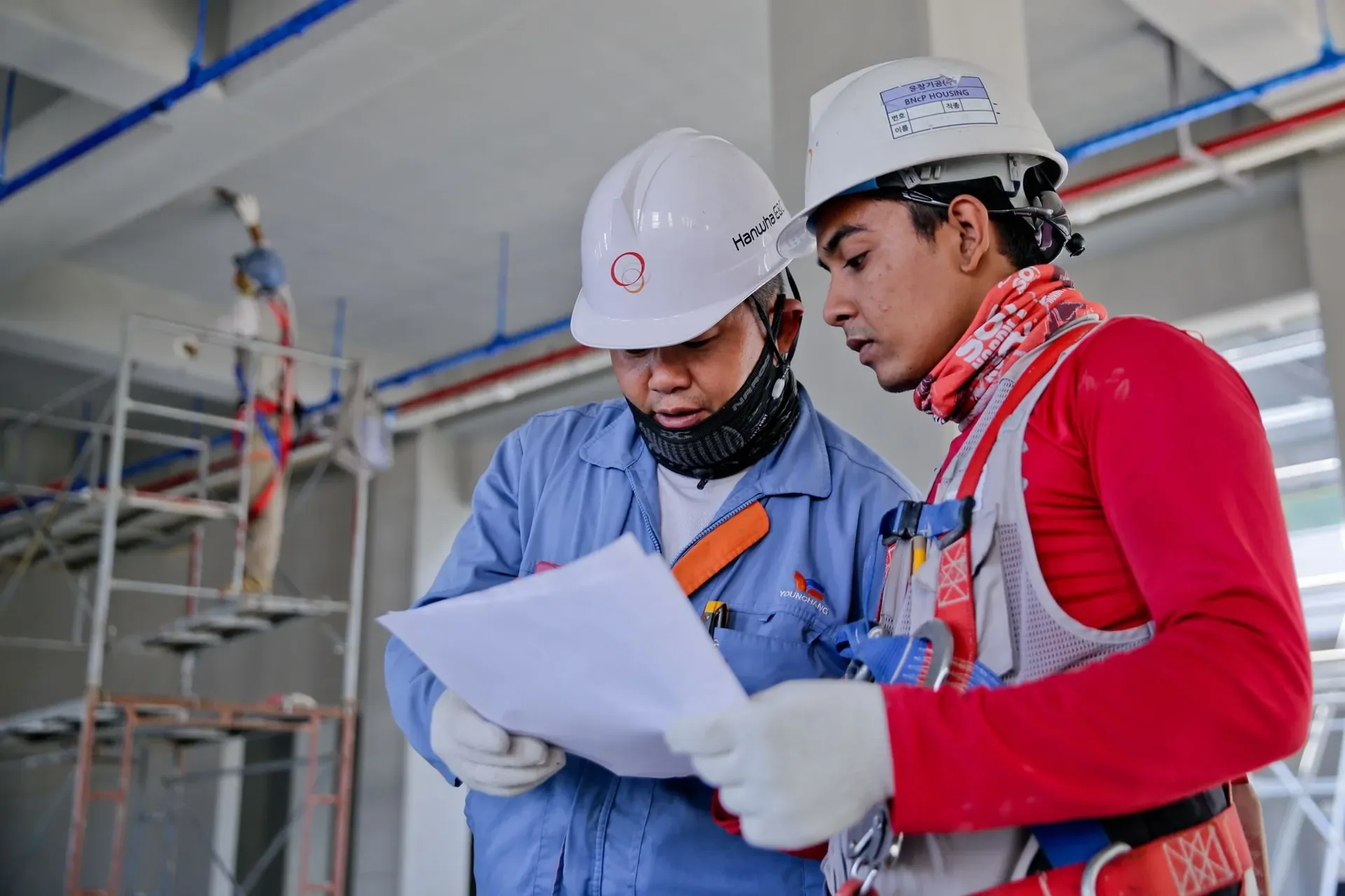
Installed equipment and an operating car park are not the same thing. Circuits are verified, links are tested, labels are checked against the schedule, and the vendor is given a site where commissioning can begin instead of a snag list.
Parking infrastructure ages in traffic, weather and daily use. Planned inspection catches the loose gland and the corroded pedestal before they close a lane; emergency response and spares planning handle the rest. Upgrades are carried out against the same records we handed over.
03Site drawing
A parking site is four overlapping systems. Select a layer to isolate it, or select any item to see what TMC prepares at that point.
Typical off-street arrangement
DWG / TMC-001
Drag the sheet sideways to follow a route.
KSK-03
A base, a dedicated circuit, a data path, cooling and a UPS feed. Without these a kiosk is furniture, not a revenue point.
Layers involved
Indicative arrangement for illustration. Equipment positions, containment routes and protection are set out per project against the selected parking system and site survey.
04Off-street parking
A lane is a small, dense piece of infrastructure. Civil, power, detection and network work all land within a few metres of each other, and they have to be built in the right order. Select a point to see what is prepared there.
01
Base cast to the manufacturer's bolt pattern, with conduit entry positioned before the pedestal is set.
05On-street parking
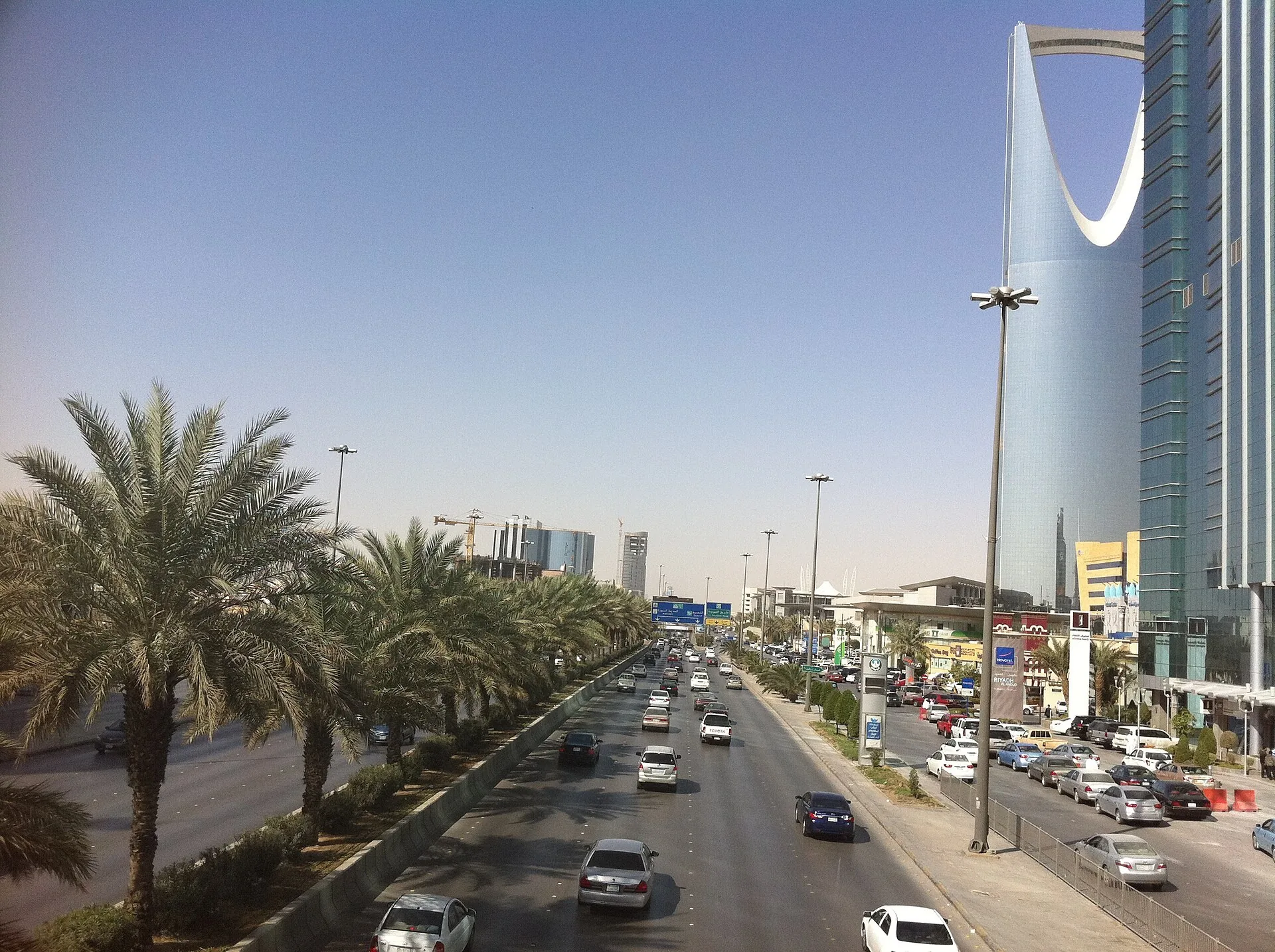
Street work is unforgiving. There is live traffic, buried services that rarely match the record drawing, a footway that has to be safe again by morning, and equipment that will sit in the weather for the next ten years.
We excavate, duct, base, mount, power and connect kerbside equipment, then reinstate the surface properly and record what is underneath — because the next crew to open that footway will be relying on it.
Explore On Street Parking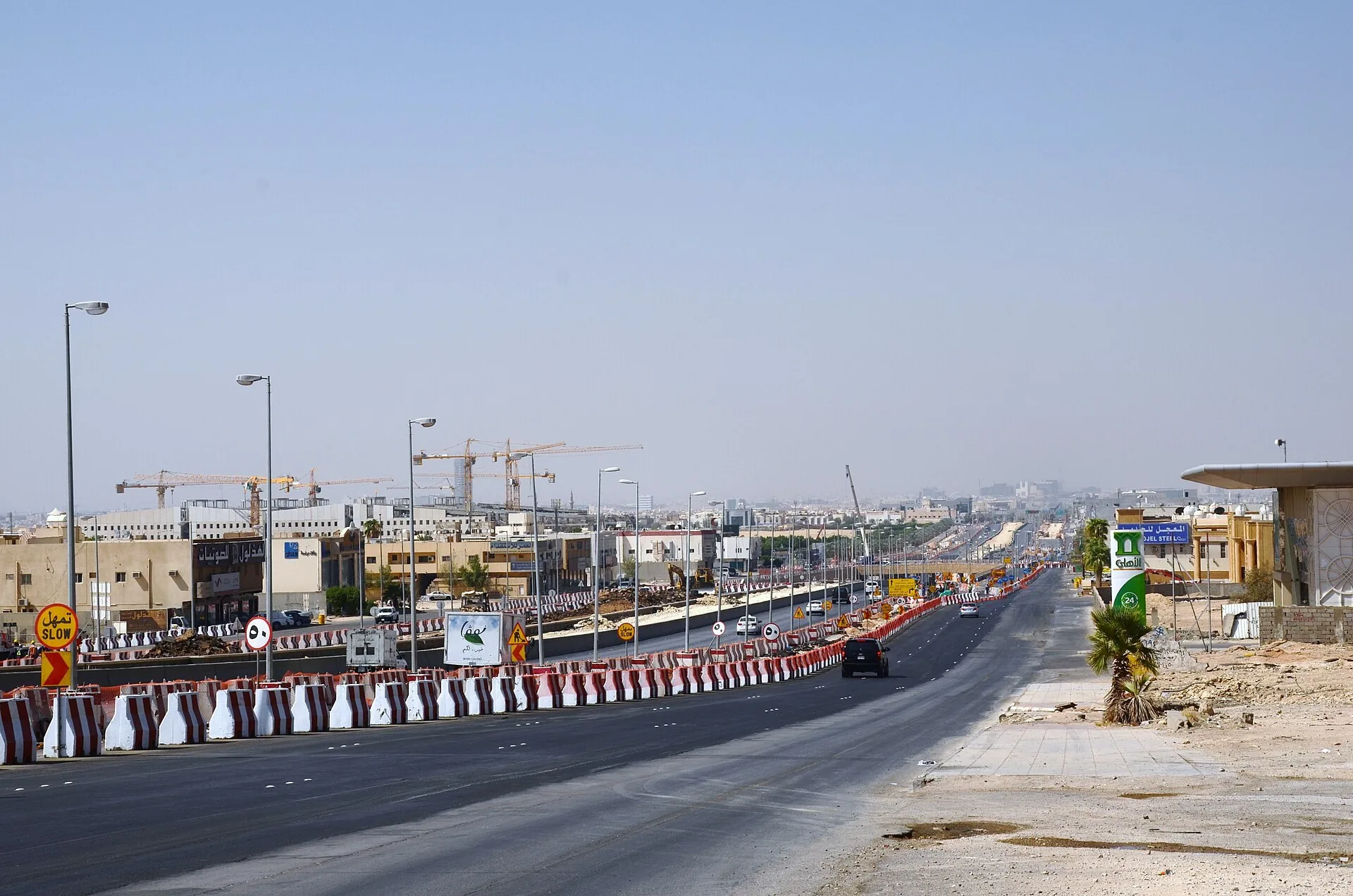
Kerbside scope
06Delivery
The sequence below is how parking infrastructure actually gets built and handed over without a defect list standing between installation and revenue.
01
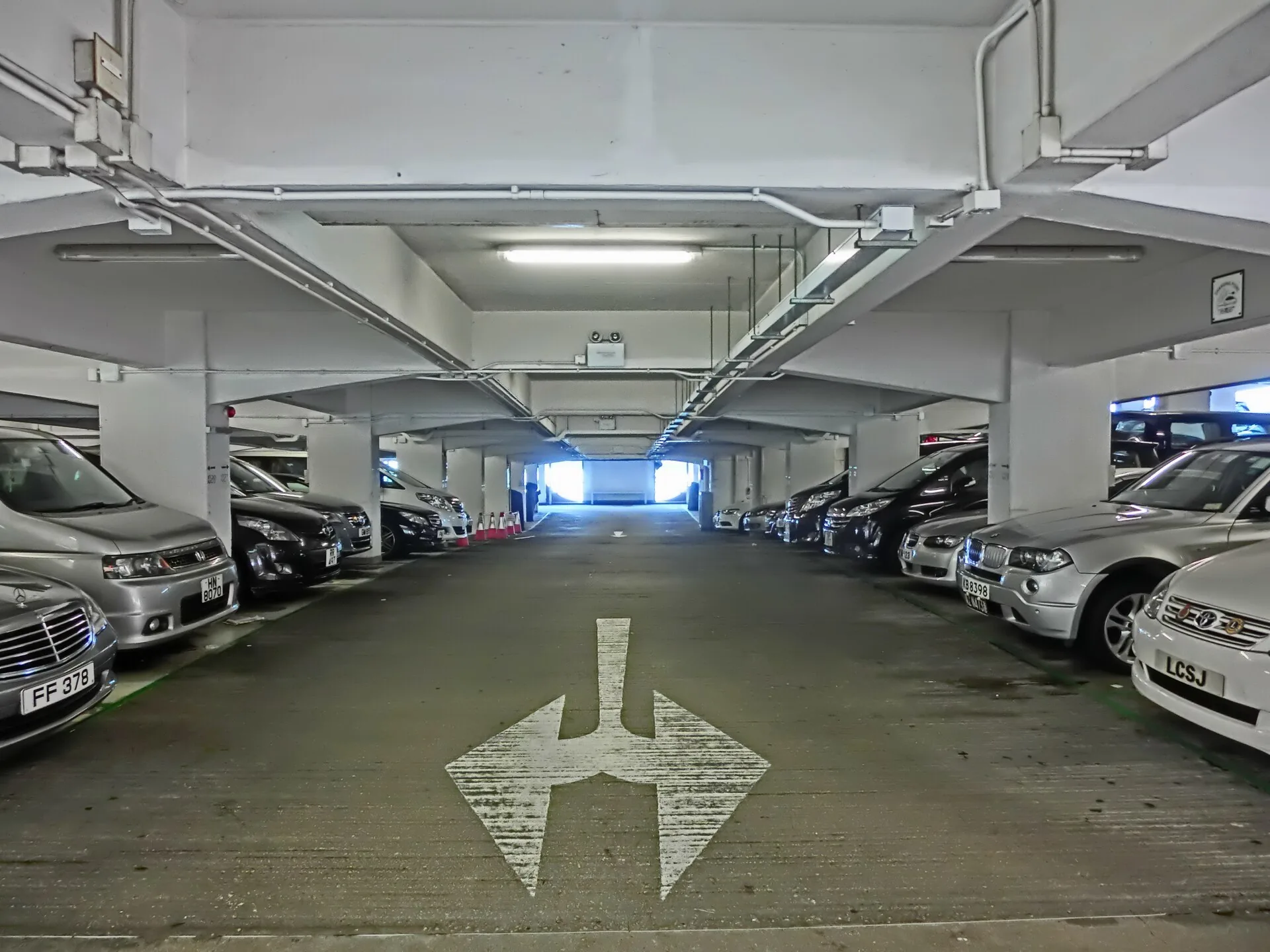
Before anything is priced or dug, the site is recorded as it actually is. Existing utilities, slab conditions, headroom, drainage falls, access routes and the vendor's mounting requirements all change what can be built and in what order. Most cost overruns on parking works trace back to a survey that was treated as a formality.
02
Civil, electrical, ELV, network and equipment scopes are aligned into one sequence with one owner. Containment routes are agreed before slabs are poured, cabinet positions before walls close, and lane geometry before the barrier order is confirmed. This is where interface gaps are removed rather than discovered.
03

Cabinets, UPS units, poles and kiosks carry long lead times and awkward delivery profiles. Materials are scheduled against the installation windows and the storage that is genuinely available on site — which, in an operating car park, is usually very little.
04
Ground works, power, containment, cabling, mounting and equipment interfaces are executed as one continuous sequence rather than as separate trade visits. Protection, identification and reinstatement are part of installation — not items collected later on a snag list.
05
Circuits are verified, links are tested to result, detection is checked against vehicles rather than assumptions, and every label is confirmed against the schedule. The objective is a site where the technology vendor can start commissioning on day one instead of raising defects.
06
The operator inherits drawings that match what is buried and installed, test records that mean something, and a labelling schedule that a maintenance engineer can follow at two in the morning. Documentation is produced during the works, not reconstructed afterwards.
07
After handover the relationship changes from construction to service. Planned inspection, corrective repair, emergency callout, spares and controlled upgrades keep the infrastructure aligned with how the car park is actually being run.
07AMC and lifecycle support
A car park is a live operation. Equipment is struck, glands loosen, links degrade and lanes have to keep running while it is put right.
Keep the infrastructure under an agreement rather than a call-out rate.
Discuss an AMC Agreement08Industries
An airport, a souq car park and a hospital forecourt fail in completely different ways. Infrastructure is planned for how each site is actually used.
All industries09Why TMC
Nothing below is a claim about size or history. It is how the work is organised.
10Projects
Published case studies are prepared with client consent, so this section stays empty until there is something verified to put in it.
A capability statement covering delivered scope, site constraints and handover evidence can be provided directly for a specific tender or enquiry.
Each record covers
Send the layout, the parking system being considered and the programme dates. You will get a direct answer about scope, sequence and what the site still needs.